


Notifications
5 minutes, 16 seconds
-9 Views 0 Comments 0 Likes 0 Reviews
Standing beneath the world's highest mountain is a dream for many travelers. The Everest Base Camp Trek makes this dream possible, but the high altitude can be a real challenge. The journey takes you through beautiful Sherpa villages, deep valleys, and stunning mountain trails. As you climb higher, the air gets thinner, and your body needs time to adjust. Understanding the altitude before your trip can help you enjoy a safer and more comfortable adventure.
Everest Base Camp sits at an altitude of 5,364 meters (17,598 feet) above sea level. This makes it one of the most famous high-altitude trekking destinations in the world.
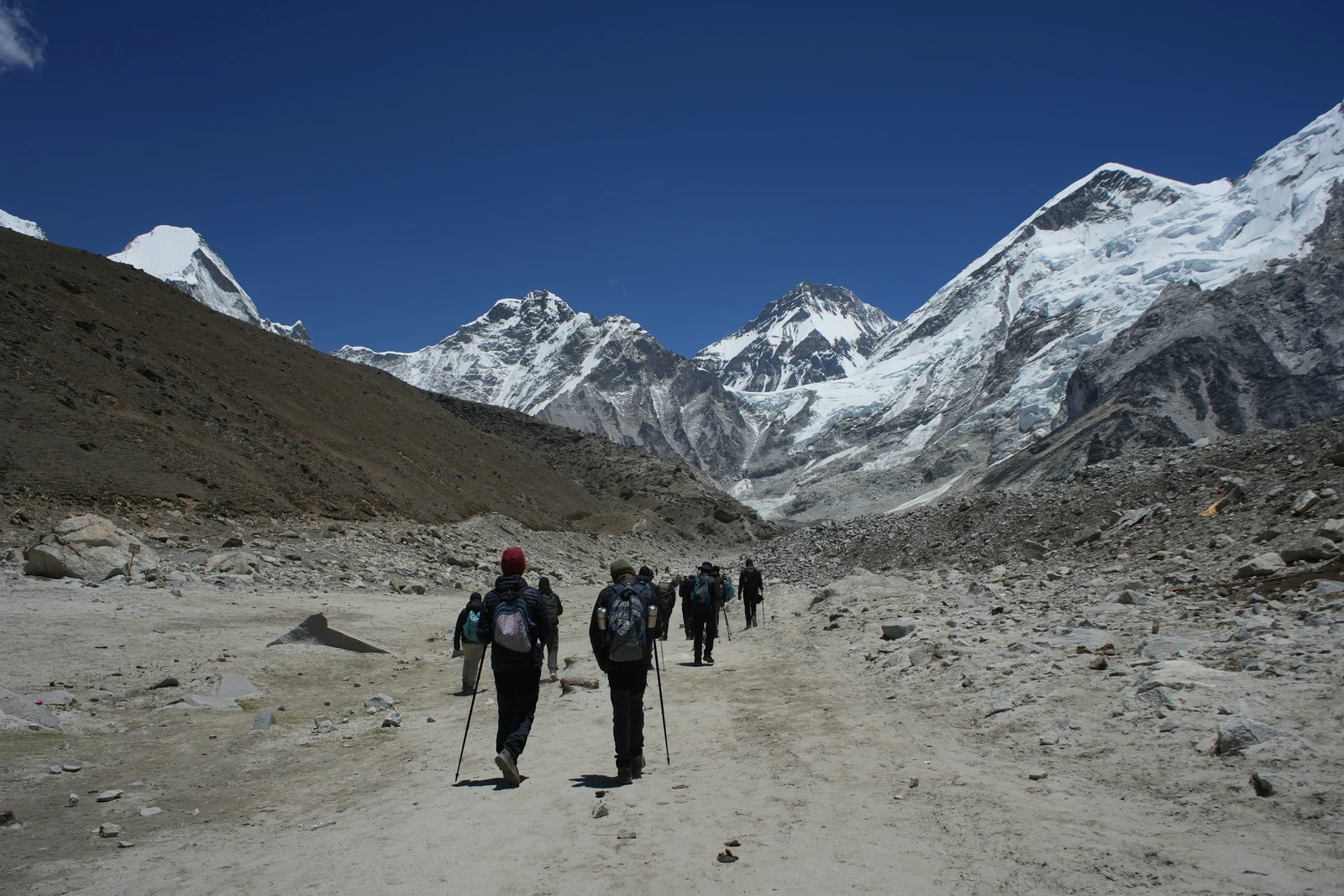
The journey usually starts with a flight to Lukla, which is about 2,860 meters high. From there, trekkers walk through Phakding, Namche Bazaar, Tengboche, Dingboche, and Lobuche before reaching Base Camp.
Each village takes you higher into the mountains. The views become more amazing, but walking also becomes harder as the oxygen level drops.
At high altitude, the air has less oxygen than at sea level. Your body must work harder to get enough oxygen. This can make simple activities, such as walking uphill or climbing stairs, feel difficult.
Some trekkers may experience altitude sickness. Common signs include:
Headaches
Dizziness
Nausea or vomiting
Loss of appetite
Feeling very tired
Trouble sleeping
These signs should never be ignored. If you feel unwell, tell your guide. Serious symptoms need quick medical attention and may require going to a lower altitude.
Acclimatization means giving your body time to adjust to high altitude. It is one of the most important parts of the Everest Base Camp journey.
Most trekking plans include rest days in Namche Bazaar and Dingboche. These days are not just for relaxing. They help your body get used to the thinner air.
During rest days, you may take short walks to nearby viewpoints and return to sleep at the same altitude. Walk slowly, drink enough water, and avoid pushing your body too hard.
Remember, reaching Base Camp is not a race. Taking your time is better than rushing and risking your health.
Good preparation can make your trek easier. Start building your fitness before arriving in Nepal. Regular walking, hiking, cycling, and stair climbing can improve your strength and stamina.
Here are some simple tips:
Walk at a slow and steady pace.
Drink enough water throughout the day.
Eat regular and healthy meals.
Get enough rest and sleep.
Follow your trekking guide's advice.
Avoid alcohol during the trek.
Carry warm clothes and suitable trekking gear.
You should also speak with a healthcare professional before your trip about high-altitude risks and any personal health concerns.
A high-altitude trek needs careful planning and proper support. Amble Himalaya helps trekkers prepare for the Everest Base Camp adventure with experienced trekking guides, trip planning, accommodation arrangements, and support along the route.
Their guides can help you follow a steady walking pace, understand the trail, and recognize possible signs of altitude sickness. Their trip planning also helps you prepare for rest days, changing weather, and daily walking challenges.
Good support can make a big difference, especially for first-time trekkers exploring the Himalayas.
The Everest Base Camp Trek is a wonderful adventure, but the high altitude deserves respect. From the busy streets of Namche Bazaar to the quiet trails near Lobuche, every part of the journey offers something special.
Prepare your body, walk slowly, and give yourself enough time to adjust. Listen to your body and never ignore signs of altitude sickness. With proper preparation and support, you can enjoy the beauty of the Khumbu region and make memories that last a lifetime.


Share this page with your family and friends.