


Notifications

5 minutes, 23 seconds
-26 Views 0 Comments 0 Likes 0 Reviews
Elastic materials are essential to garments and textile products that require flexibility, support, and a comfortable fit. They appear in waistbands, cuffs, shoulder straps, underwear, sportswear, medical garments, and many other applications. Before these components can be sewn or assembled, manufacturers need to prepare them according to the requirements of each product. In this process, elastic cutting helps transform continuous elastic tapes and related materials into individual pieces that can move efficiently through subsequent production stages.
The materials used in elastic components vary according to their intended purpose. Polyester, nylon, cotton blends, spandex, and rubber-based fibers may be combined to achieve different levels of stretch, recovery, softness, and durability. Their physical properties influence how they behave during feeding and cutting. Some tapes stretch noticeably when tension is applied, while others have a firmer structure or a smoother surface that can shift during movement. Understanding these characteristics helps manufacturers establish suitable processing methods.
Consistent cutting begins with controlled material movement. If elastic tape is pulled excessively or fed unevenly, its apparent length may change during processing. This can result in components that do not match the intended dimensions once the tension is released. Stable feeding, appropriate tension management, and repeatable cutting movements help reduce these inconsistencies and make the prepared pieces easier to use during sewing and assembly.
Dimensional consistency is particularly important for fitted garments. Waistbands need to correspond to the garment's construction, while cuffs and straps must support the intended fit without compromising comfort. When pieces vary considerably, sewing operators may need to stretch, reposition, or trim individual sections. These adjustments increase labor requirements and can create differences between finished products. A controlled cutting process provides a more predictable foundation for later operations.
Consumers experience the results through the way clothing fits and moves. Elastic components help garments stay in position during daily activities, exercise, and work. Sportswear needs to accommodate movement, while underwear and fitted clothing often depend on carefully prepared elastic sections for comfortable support. Although consumers rarely think about how these components were cut, consistent preparation contributes to the overall quality of the garment.
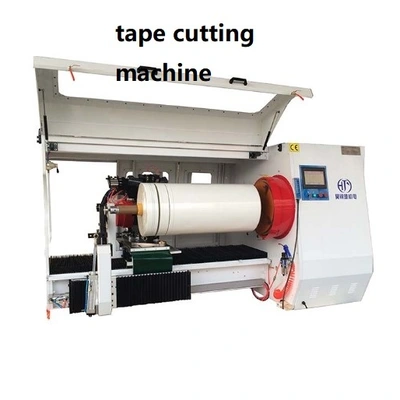
Automation can make repetitive material preparation more manageable. Manual cutting remains useful for prototypes, customized products, and small production runs, but high-volume manufacturing places greater demands on repeatability and labor efficiency. Automated machinery can handle recurring operations while allowing workers to concentrate on material loading, machine supervision, quality checks, and production planning. This division of work can improve workflow organization without removing the need for skilled operators.
Production flexibility is another consideration. Textile manufacturers may process elastic materials with different widths, colors, textures, and stretch characteristics. Customer orders can also change according to seasonal demand or product design updates. Equipment that fits a flexible production workflow can help businesses adapt to these changes while reducing unnecessary setup difficulties. Appropriate material handling remains important whenever the product or material type changes.
Material utilization also affects manufacturing performance. Incorrectly cut pieces may need to be discarded, shortened, or replaced, creating additional costs and consuming valuable production time. When these problems occur across large orders, even small amounts of waste can accumulate. More consistent processing can reduce avoidable rework and help manufacturers use textile materials more responsibly.
The cutting stage should also be considered as part of the complete production line. Elastic components may proceed to sewing, folding, bonding, or attachment, depending on the final product. Consistent pieces make these operations easier to organize and can reduce the need for manual correction. Coordinating material preparation with downstream requirements helps manufacturers create a smoother production flow.
JEMA develops textile machinery solutions for manufacturers seeking practical approaches to material processing and production automation. With suitable equipment and careful workflow planning, elastic cutting can support consistent component preparation, efficient labor use, and better coordination between manufacturing stages. Businesses exploring equipment for textile processing can find further machinery solutions at https://www.chinajema.com/product/.


Share this page with your family and friends.