


Notifications
6 minutes, 13 seconds
-27 Views 0 Comments 0 Likes 0 Reviews
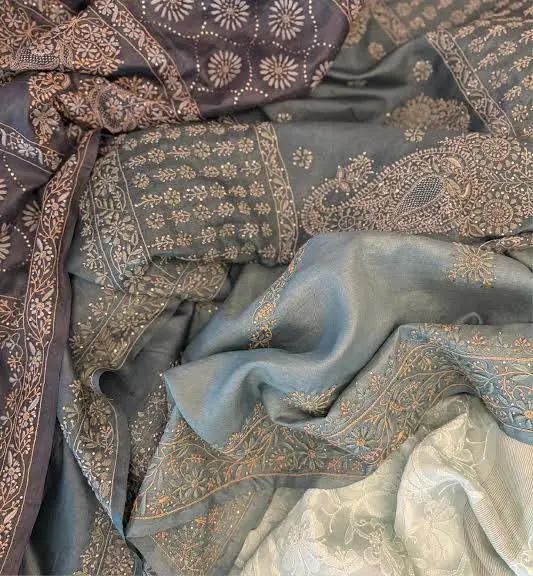
Before a celebration, a familiar garment takes on a different significance. A silk saree is unfolded, its saree catches the light, and a memory of the occasion for which it was first worn comes rushing back. In India, festive dressing has always carried this intimacy. Clothing marks important moments, reflects regional traditions and often becomes part of a family’s history.
The Indian festive wardrobe draws from an extraordinary range of textile traditions. Banarasi brocades, Chanderi, Bandhani and Kanjeevaram silk each have their own visual language, shaped by regional techniques, distinctive motifs and generations of skilled workmanship. Their continued presence in contemporary wardrobes speaks to the enduring appeal of textiles that carry a sense of place and cultural memory.
Few fabrics hold the same place in Indian occasionwear as silk. Its lustre, weight and drape lend themselves naturally to celebration, while zari, contrasting borders and intricate motifs give each weave its own character.
Kanjeevaram silk is a particularly rich example. Woven in Kanchipuram, Tamil Nadu, these sarees are known for their contrasting borders, elaborate pallus and motifs inspired by temple architecture and the natural world. The body and border are interlocked during weaving, a technique that contributes to the textile’s distinctive construction. The craft received Geographical Indication recognition in 2005, acknowledging its association with the region and its established weaving traditions.
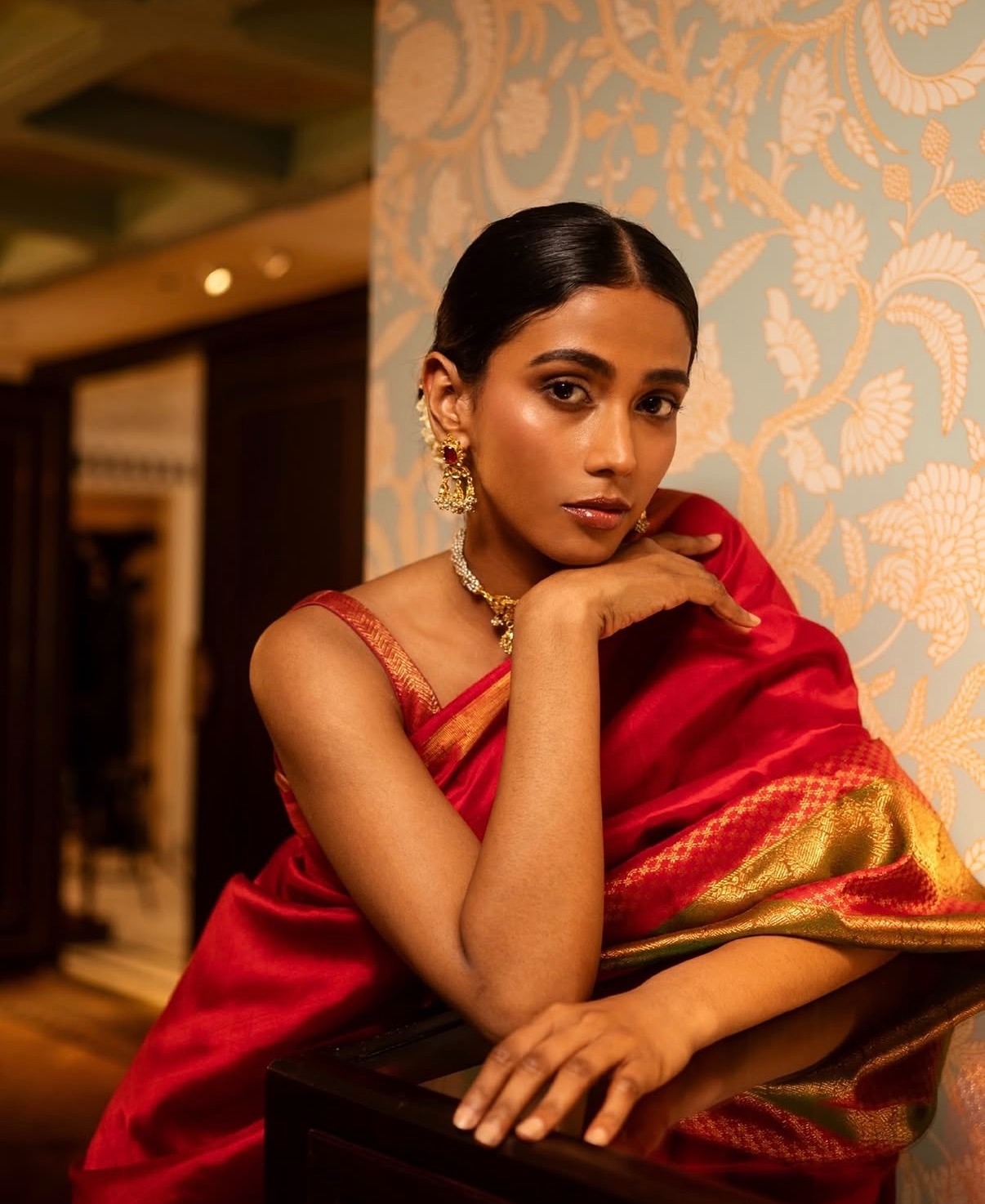
Such details are part of the pleasure of wearing a well-made textile. The richness comes from the interplay of colour, pattern and construction, with the weaver’s decisions shaping the final appearance. For many families, these sarees also become heirlooms, worn for weddings and festivals before being passed on to another generation.
The relationship between a textile and the person who wears it begins long before a garment reaches the wardrobe. Motifs must be planned, yarns selected, and patterns translated onto the loom. Traditional weaving requires considerable technical knowledge, particularly when contrasting borders and intricate pallus are involved.
This understanding of textiles has shaped the work of The House of Angadi, the Bengaluru-based design house with roots in a family textile heritage extending across six centuries. Its history in silk and handwoven sarees provides the foundation for a wider engagement with Indian craft, including the development of its design label, Advaya.
Rather than confining traditional weaves to familiar forms, Advaya has explored how their qualities might be interpreted through different materials. The label has experimented with organza, linen-blended and khadi-blended Kanjeevarams alongside traditional silk versions. These explorations demonstrate how changes in yarn and texture can influence a textile’s weight, transparency and movement while retaining a connection to its weaving heritage.
Festive dressing today leaves room for a more individual interpretation of tradition. A silk saree might be paired with a sculptural blouse and restrained jewellery, while lighter fabrics offer different possibilities for daytime gatherings. The styling can change with the occasion, but the textile often remains the starting point.
The wider Indian design conversation increasingly accommodates these different expressions of craft. The House of Angadi has expanded beyond traditional sarees through Angadi Heritage, a curated destination for Indian textiles, designer fashion, and handcrafted products. The retail concept reflects an interest in presenting craft within a broader contemporary design context.
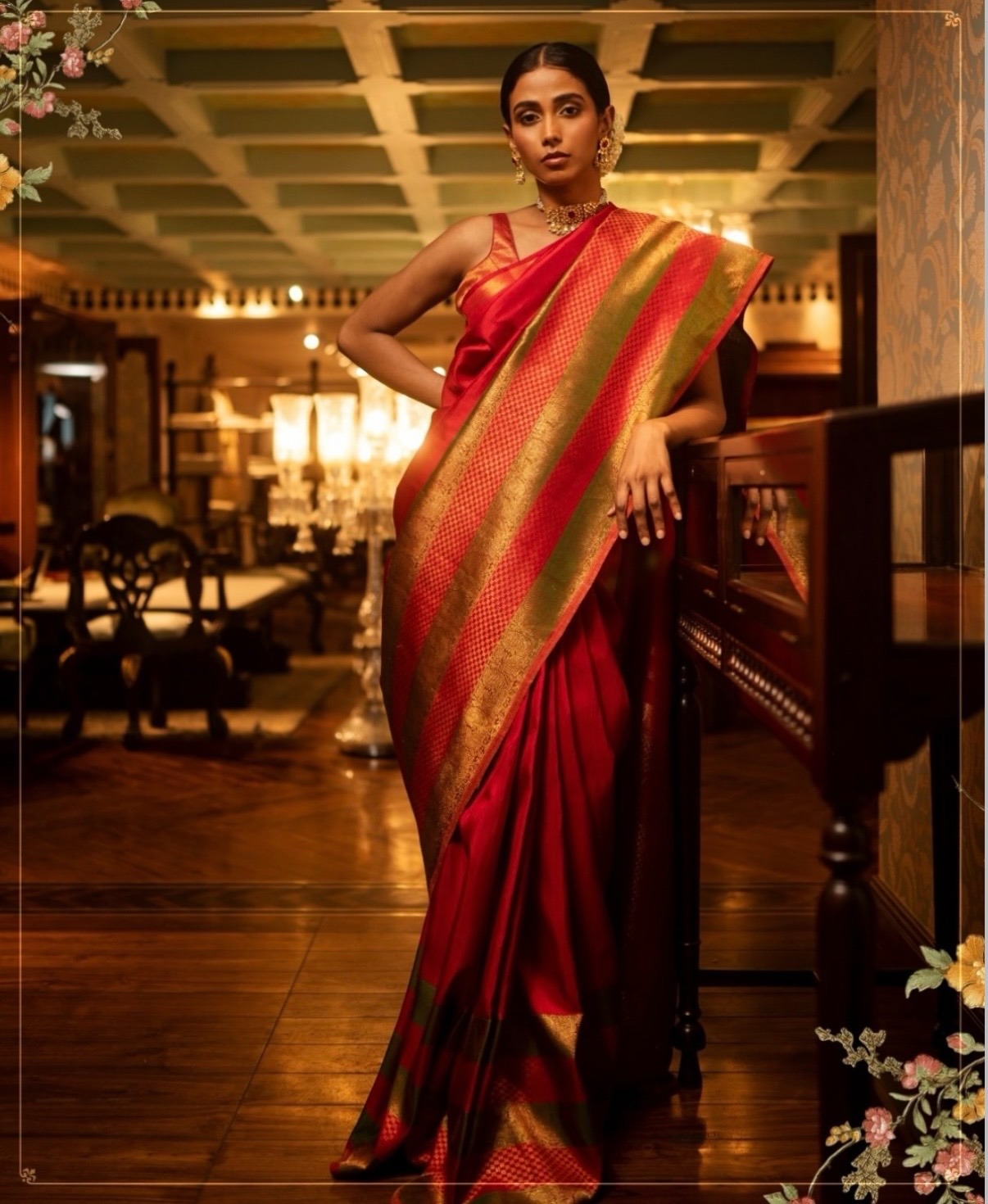
For the festive wardrobe, this meeting of craft and contemporary design creates possibilities without requiring every tradition to be reinvented. Some garments retain the richness of a classic silk weave; others explore new textures, proportions, and ways to wear familiar fabrics. The choice depends on the wearer, the occasion and the details that make a garment feel personal.
The most memorable festive clothes often accumulate meaning over time. A saree might recall a family wedding, a festival spent with grandparents or a celebration that brought several generations together. Its workmanship gives it lasting material value, while these associations make it difficult to replace.
That connection between craft and memory helps explain why Indian textiles remain central to occasionwear. Trends may influence colour palettes, silhouettes and styling, but the pleasure of a beautifully woven fabric remains deeply personal.
As the festive season returns each year, silk and handloom textiles offer a way to honour familiar traditions while making room for new interpretations. The result is a wardrobe that can look towards contemporary couture without losing sight of the hands, techniques and histories that give Indian textiles their enduring character.



Share this page with your family and friends.